Short answer. Pick infrared if you want something that plugs in, heats up fast and feels gentle. Pick traditional if you want high heat, steam from water on hot stones and the classic sauna ritual, and you are ready for a 240 volt installation.
How each one heats you
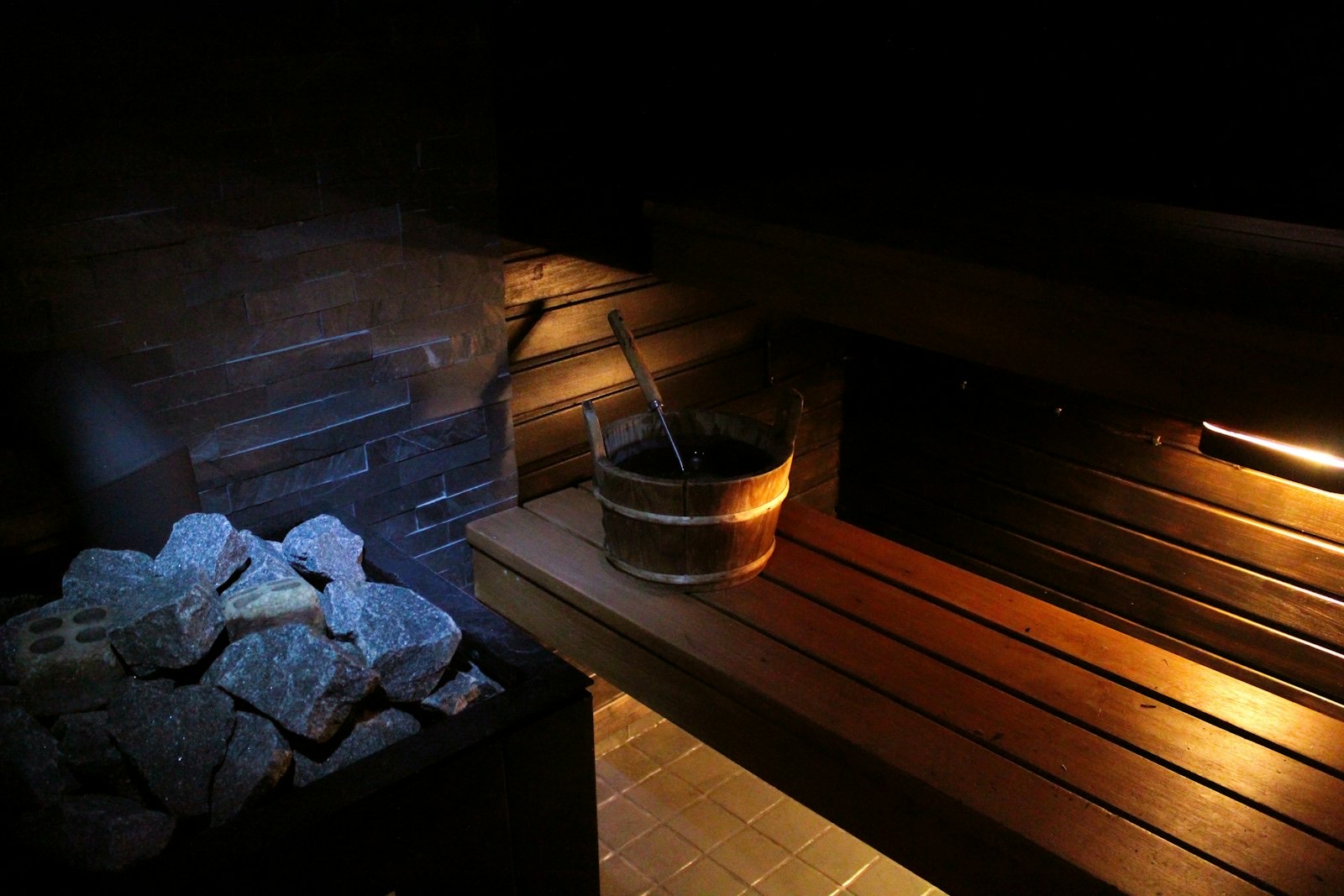
A traditional sauna heats the air. An electric or wood stove warms a pile of stones, the stones heat the room, and the hot air heats you. Pour water on the stones and you get a burst of steam.
An infrared sauna heats you more directly. Flat panels in the walls give off infrared light, which is the same kind of warmth you feel from the sun on your skin. The air warms up too, but much less.
Side by side
| Infrared | Traditional | |
|---|---|---|
| Air temperature | About 110 to 140°F | About 150 to 195°F |
| Heat-up time | 10 to 20 minutes | 30 to 45 minutes, longer with a wood stove |
| Humidity | Dry, no steam | Dry, with steam when you add water |
| Typical power | 1.5 to 3 kW | 4.5 to 9 kW for electric heaters |
| Wiring | Often a standard 120 V outlet on its own circuit for small cabins | Usually a hardwired 240 V circuit |
| Assembly | Prebuilt panels, often two people and an afternoon | Kit or custom build, more work |
| Feel | Mild, easy to breathe, longer sessions | Intense, enveloping, shorter rounds |
These are typical ranges. Always check the specification sheet of the exact model.
What the difference feels like
In a traditional sauna the heat hits you as soon as you open the door. People usually stay for 10 to 15 minutes, step out to cool down, and go back in. It is social and a little dramatic.
In an infrared cabin the air stays comfortable, so many people read or listen to music for 20 to 40 minutes. You start to sweat more slowly. If you dislike very hot air, infrared is easier to enjoy. If you love the wave of steam, infrared will feel flat.
What it means for your home
Space
Both come in one to six person sizes. Infrared cabins are designed for indoor rooms such as a spare bedroom, basement or garage. Traditional saunas are common indoors and outdoors, including barrel and cabin styles for the yard.
Electricity
This is often what decides it. A small infrared cabin can share your home's normal voltage, although it should have a circuit to itself. A traditional electric heater almost always needs a new 240 volt line, which adds the cost of an electrician. Larger infrared cabins need 240 volts as well, so read the requirements before you order.
Moisture
Infrared cabins add almost no moisture to a room. A traditional sauna that uses water needs sensible ventilation, and the floor around it should cope with drips.
Who should choose which
- Choose infrared if you rent or may move, want low running costs, prefer mild heat, or have no easy way to add a 240 volt circuit.
- Choose traditional if high heat and steam are the point for you, you plan to put the sauna outdoors, or you want several people to use it in rounds.
- Look at hybrids if a household is split. Some cabins combine infrared panels with a small stove, at a higher price and with 240 volt wiring.
Still undecided? See what an infrared sauna costs to buy and run, or compare it with a steam room.
Common questions
Is an infrared sauna as hot as a traditional sauna?
No. Infrared cabins usually run between 110 and 140 degrees Fahrenheit, while traditional saunas run between 150 and 195. Infrared heat warms your body directly, so you still sweat at the lower air temperature.
Can I pour water on the heater in an infrared sauna?
No. Infrared panels are electrical emitters, not a stove with stones. Pouring water on them can damage the sauna and is a shock hazard. Steam from water on hot stones is a feature of traditional saunas only.
Which type is cheaper to run?
Infrared, in most homes. The heaters draw less power and the cabin is ready in 10 to 20 minutes, so each session uses less electricity than a traditional sauna that preheats for 30 to 45 minutes.
Which type is easier to install?
Infrared. Most cabins arrive as panels that clip or buckle together, and many small models plug into a standard outlet. A traditional electric heater normally needs a 240 volt circuit wired by an electrician.