Short answer. For most homes an infrared sauna is far simpler and cheaper to add. A steam room makes sense when you are already remodeling a bathroom and you love moist heat.
Dry heat and wet heat
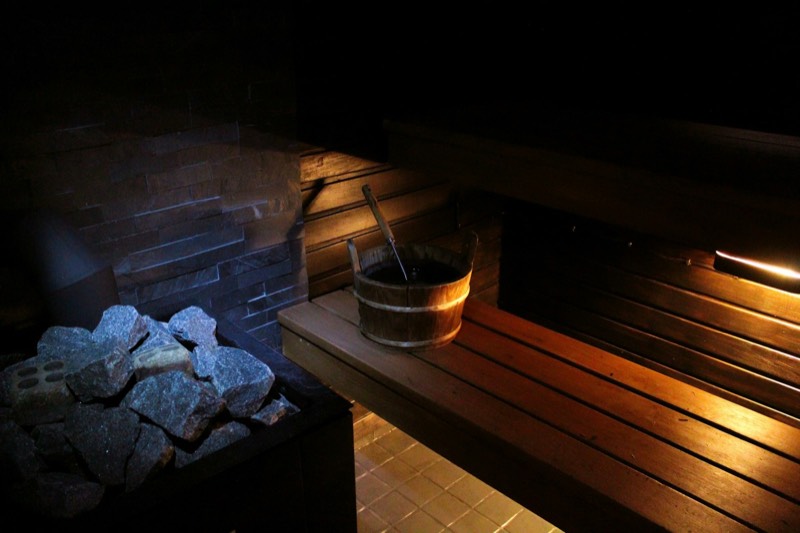
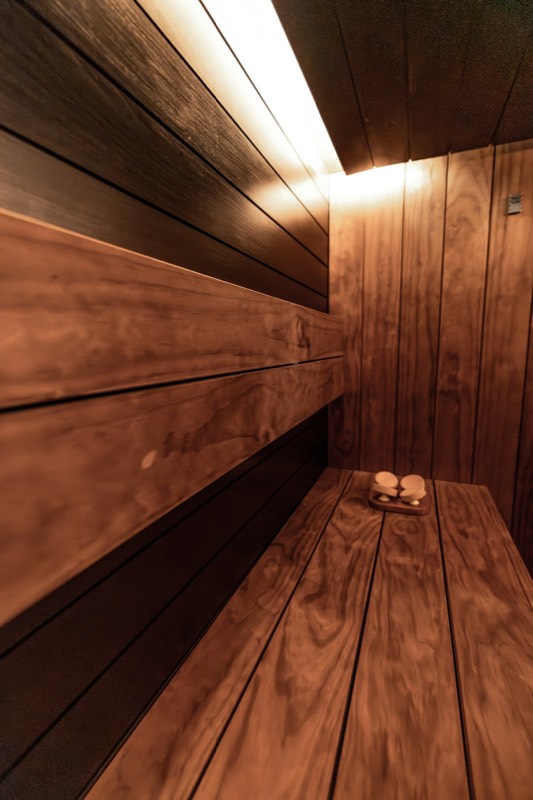
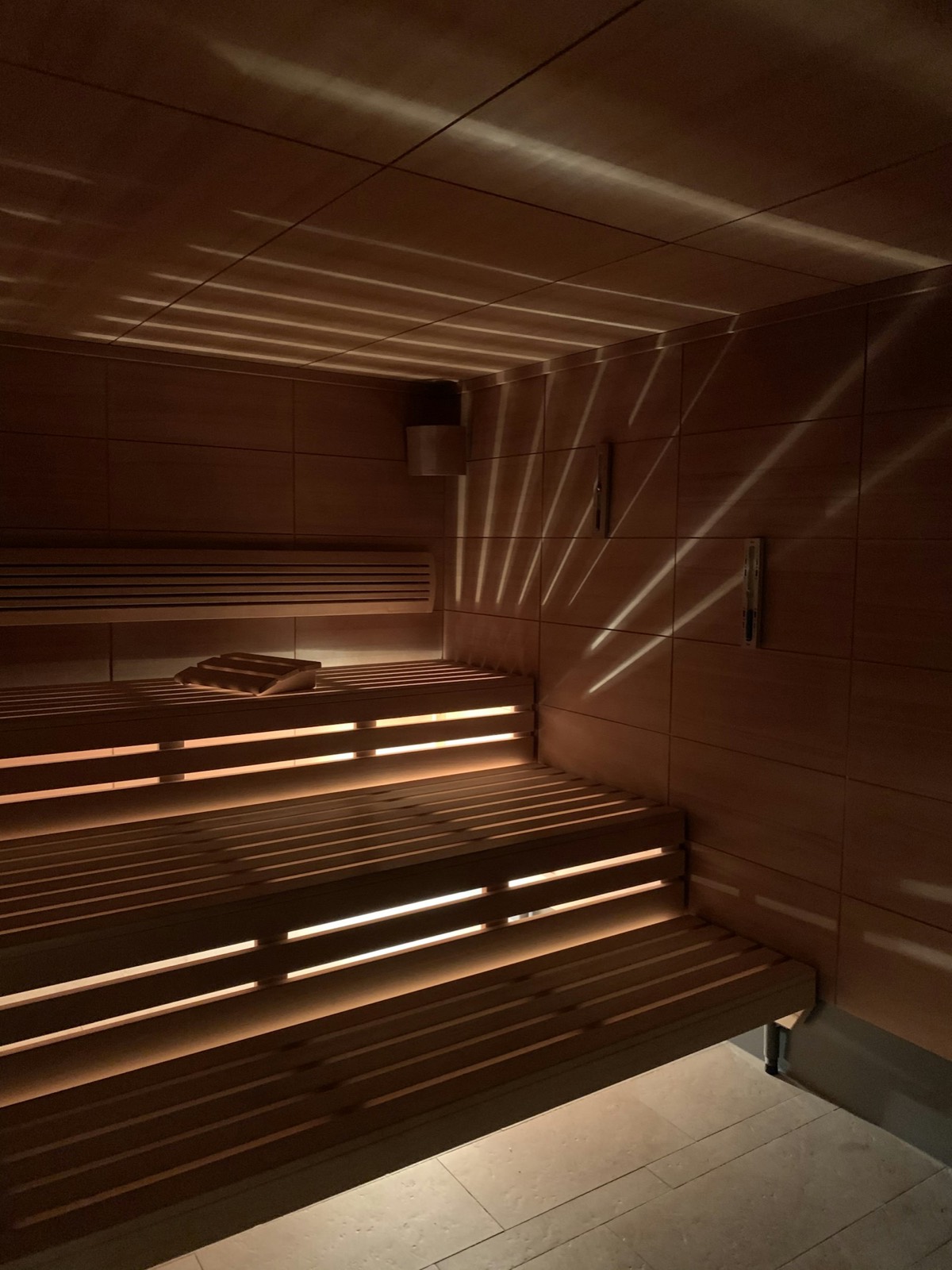
An infrared sauna is a wooden cabin with heating panels in the walls. The air stays dry and fairly mild, usually between 110 and 140°F.
A steam room is a sealed, waterproof space. A steam generator boils water and pipes the vapor in until the humidity is close to 100 percent. The air is around 110 to 120°F, but it feels hotter because your sweat cannot evaporate.
Side by side
| Infrared sauna | Steam room | |
|---|---|---|
| Heat | Dry | Wet, near 100% humidity |
| Built from | Wood panels, glass door | Tile, stone or acrylic, fully sealed |
| Needs plumbing | No | Yes: water line and drain |
| Installation | Assemble a kit in a dry room | Construction work, often a contractor |
| Can move house with you | Yes, it comes apart | No, it is part of the building |
| Upkeep | Light | Regular cleaning, mold prevention, descaling |
Installation is the real gap
An infrared cabin stands on a level floor in a dry room. Two people can usually put it together without special tools, and small models plug into a household outlet on a dedicated circuit.
A steam room is a building project. The walls and ceiling must be waterproofed behind the tile, the ceiling is often sloped so drops run off, the door has to seal, and the generator needs power, a water supply and a place to live nearby. Many people add steam to a shower during a bathroom remodel for that reason.
Living with each one
Infrared is low effort. There is no water to manage and the wood dries out on its own.
Steam is more demanding. Warm, wet surfaces grow mold unless you squeegee, ventilate and clean regularly. In hard water areas the generator needs flushing or descaling on the schedule in its manual.
Who should choose which
- Choose infrared if you want a sauna this month, in an existing room, with no plumbing.
- Choose steam if you prefer humid heat, are renovating anyway, and accept more cleaning.
If what you really want is high heat with a splash of steam, a traditional sauna is the third option. See infrared vs traditional sauna.
Common questions
Is a steam room hotter than an infrared sauna?
The air is usually a little cooler, around 110 to 120 degrees Fahrenheit, but the humidity is close to 100 percent, so it feels much hotter because sweat cannot evaporate.
Can I turn an infrared sauna into a steam room?
No. Infrared cabins are made of untreated wood with electrical panels and are not built for moisture. A steam room needs a waterproof, sealed enclosure and a steam generator.
Which one is easier to maintain?
The infrared sauna. Wipe the bench, vacuum the floor and leave the door open to air it. A steam room needs regular cleaning to prevent mold, plus descaling of the steam generator in hard water areas.